
Fundrise Private Equity: How It Works, Benefits, and Real Examples for Everyday Investors
Investing in real estate has changed a lot in the last decade. With the rise of financial technology, investors today can access opportunities that were once only available to large institutions or ultra-wealthy individuals. One of the most popular names in this space is Fundrise, a platform that combines real estate investing with modern private equity strategies.
The term “Fundrise Private Equity” describes how Fundrise applies private equity methods such as owning stakes in private real estate projects and companies to create growth-driven, long-term investment portfolios. In simple terms, Fundrise uses the power of private equity to make real estate investment more accessible to everyday investors.
This article explores how Fundrise private equity works, its structure, benefits, real-world examples, and why it matters to investors who want to diversify beyond traditional stock markets.
Understanding What Fundrise Private Equity Really Means
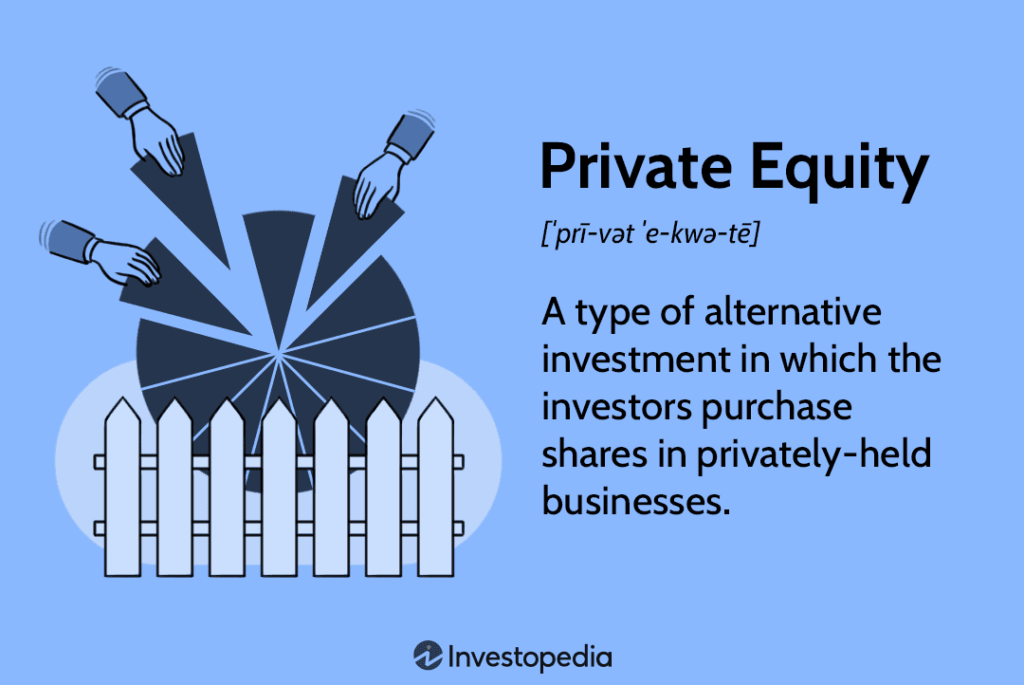
To understand the concept, it helps to break it down into two main parts: “private equity” and “Fundrise.”
Private equity refers to investing in private companies or assets that are not traded on the public stock market. Investors pool their money into a fund managed by professionals. That fund buys and improves businesses or assets such as real estate then sells them later for a profit. Returns come mainly from growth, appreciation, and value creation, not from short-term dividends.
Fundrise, on the other hand, started as a real estate crowdfunding platform. It allowed individuals to invest in commercial and residential real estate with small amounts of money. Over time, Fundrise has evolved into a full-scale investment management company that uses private equity-style strategies. Instead of only holding properties for rent, it invests in private real estate projects, development deals, and even private technology companies.
In short, Fundrise private equity combines both ideas: it gives investors access to private real estate projects and long-term equity opportunities, but in a simplified, digital, and transparent way.
How Fundrise Uses Private Equity Strategies
Fundrise doesn’t just buy properties. It acts as a private equity-style manager, meaning it raises money from investors, deploys it into various private assets, and manages those assets to increase value over several years.
Here are the main ways Fundrise uses private equity in its operations:
1. Investing in Private Real Estate Funds
Instead of only owning properties directly, Fundrise creates private funds—also known as eREITs and eFunds—that pool investor money to buy or develop real estate projects. These funds are structured similarly to private equity funds, meaning they invest in a mix of development, renovation, and income-producing assets.
By investing this way, Fundrise can buy properties at earlier stages, improve them, and later sell them for profit. This long-term, active management is a hallmark of private equity.
2. Co-Investing with Developers
Fundrise also partners with professional real estate developers on large projects. The company invests alongside developers by providing equity capital, which gives investors indirect ownership in the project. When the project succeeds—through leasing, refinancing, or sale—the profits are shared between the developer, Fundrise, and investors.
3. Launching Private Venture and Innovation Funds
Beyond real estate, Fundrise has introduced private funds that invest in technology and innovation companies. This is another type of private equity exposure, where Fundrise buys shares in private firms before they go public. These investments aim for long-term growth rather than short-term income.
Example 1: Fundrise Real Estate Growth Fund

One of Fundrise’s main private equity-style funds is its Real Estate Growth Fund. This fund focuses on acquiring properties that need development or improvement. For instance, it might invest in new apartment complexes in fast-growing cities or renovate outdated buildings to increase their market value.
The fund works similarly to traditional private equity real estate strategies it buys undervalued assets, enhances them, and sells them after several years once they appreciate in value. Investors in this fund benefit from potential capital gains rather than just rental income.
Example 2: The Fundrise Innovation Fund

The Innovation Fund is Fundrise’s step into non-real estate private equity. It focuses on high-potential private technology companies, such as firms working in artificial intelligence, automation, software, and renewable energy.
By allowing everyday investors to access private tech investments, Fundrise is bridging a gap that was once only available to venture capitalists and institutional investors. The fund aims to create long-term value through growth in the private market, similar to how private equity firms invest in startups before they go public.
Example 3: Value-Add Real Estate Projects
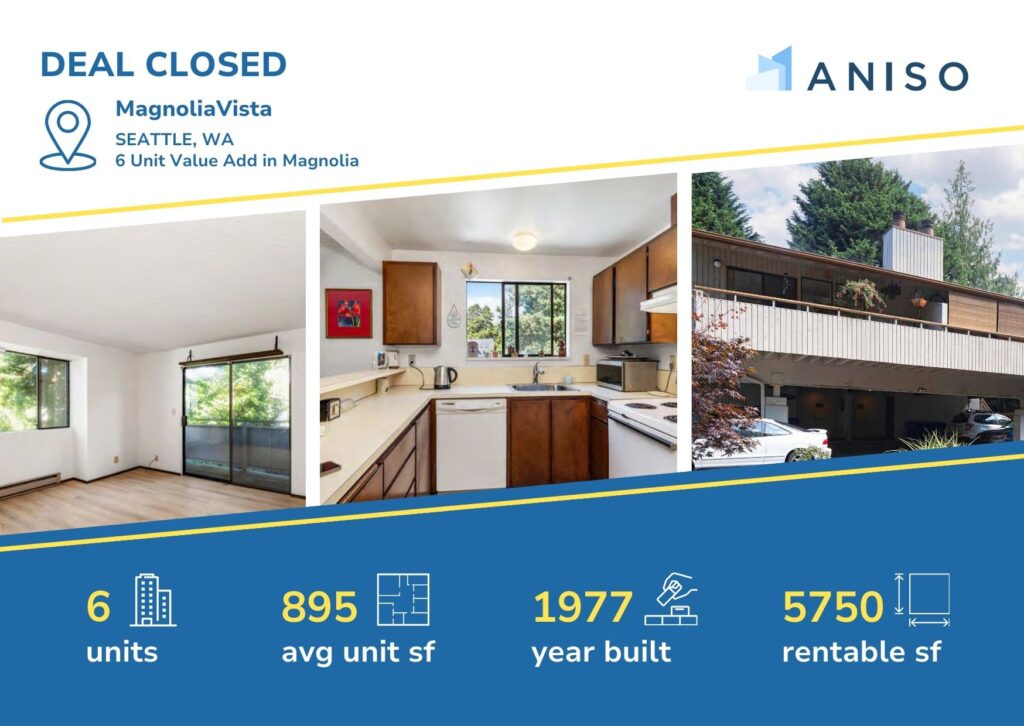
A “value-add” project is a real estate investment where a property is purchased with the intent to make improvements. Fundrise uses private equity capital to renovate, upgrade, and reposition such properties.
For example, Fundrise might acquire an underperforming apartment complex, update its facilities, increase rent potential, and sell it after several years for a profit. This private equity approach allows investors to benefit from both the property’s cash flow and appreciation over time.
Why Fundrise Private Equity Is Different
Fundrise’s approach stands out because it combines traditional private equity structures with modern technology. It brings the exclusivity of private investing into a digital platform that anyone can access.
Here are a few key differences that make Fundrise’s private equity model unique:
- Accessibility – Traditional private equity requires millions in minimum investments. Fundrise allows participation with as little as a few hundred dollars.
- Transparency – Through its platform, investors can see performance reports, portfolio updates, and property data in real time.
- Automation – Fundrise’s technology automates much of the investment and management process, making it efficient and low-cost.
- Diversification – Fundrise investors can own small stakes in hundreds of properties or projects across different markets, reducing risk.
Benefits of Fundrise Private Equity for Investors
Private equity real estate offers several advantages compared to traditional investing methods. When implemented through Fundrise, these benefits become even more accessible and manageable.
1. Long-Term Growth Potential
Private equity investments are designed for long-term growth. Since Fundrise invests in private assets that can be developed or improved over time, investors have the potential to see higher returns as property values increase.
2. Diversification Beyond Stocks and Bonds
Fundrise’s private equity real estate funds provide diversification outside the public market. Real estate and private assets tend to behave differently from stocks, helping reduce portfolio volatility.
3. Access to Exclusive Deals
Through Fundrise, investors gain access to deals that are usually reserved for institutional players, such as large development projects or private corporate investments. This creates an opportunity to participate in markets that were once closed to retail investors.
4. Technology-Driven Efficiency
Fundrise’s proprietary technology allows the company to manage thousands of assets efficiently. It automates data collection, investor reporting, and risk management, which reduces operational costs and improves decision-making.
5. Potential for Higher Returns
By focusing on development and appreciation-based investments, Fundrise’s private equity strategies can offer higher potential returns compared to traditional income-focused real estate funds. Of course, this comes with higher risk and longer investment horizons.
How Technology Powers Fundrise Private Equity
Fundrise is not just an investment company—it’s also a technology platform. Its success relies heavily on the digital tools it uses to analyze, manage, and distribute private equity investments efficiently.
Here’s how technology supports its private equity model:
Automated Deal Screening
Fundrise uses software to analyze property markets, financial performance, and demographic data. This helps identify promising investment opportunities faster and more accurately than traditional manual research.
Digital Investor Dashboard
Investors can track their investments through an online dashboard. They can see updates on property values, project progress, and estimated returns—all in real time. This level of transparency is rare in traditional private equity.
Data-Driven Risk Management
Fundrise’s platform collects performance data across its portfolio, allowing it to adjust strategies and reduce exposure to underperforming markets. It also uses predictive analytics to forecast potential risks and returns.
Scalable Operations
Technology allows Fundrise to operate like a large private equity firm but with far lower costs. Automated systems handle investor onboarding, regulatory compliance, and reporting efficiently, allowing the company to serve thousands of investors simultaneously.
Use Cases: When Fundrise Private Equity Makes Sense
Private equity real estate is not for everyone it’s best suited for investors who are patient, growth-oriented, and looking for long-term diversification. Below are some common scenarios where Fundrise private equity can be valuable.
Use Case 1: Building Long-Term Wealth
If your goal is long-term capital growth, Fundrise private equity funds can be a strong choice. These investments often take 5 to 10 years to mature, making them ideal for investors with a long investment horizon.
Use Case 2: Diversifying Away From the Stock Market
For investors who already hold stocks and bonds, Fundrise offers exposure to private assets that move independently of public markets. This helps reduce overall portfolio risk.
Use Case 3: Investing in Real Assets
Real estate-backed private equity provides tangible, asset-based investment opportunities. Investors can feel confident knowing their money is tied to physical assets with intrinsic value.
Use Case 4: Participating in Private Technology Growth
Through the Innovation Fund, investors can gain exposure to the private tech sector—something that used to be possible only for venture capital firms. This opens new doors for diversification and innovation-driven growth.
Use Case 5: Seeking Passive yet Managed Investments
Fundrise manages every stage of the investment—acquisition, management, improvement, and sale—so investors can participate passively without the burden of managing real properties.
Risks and Considerations
While Fundrise private equity offers many benefits, it’s important to understand the risks involved.
- Illiquidity: These investments are not easily sold or withdrawn. They are designed for long-term holding periods.
- Market Risk: Property values and economic conditions can affect performance.
- Execution Risk: Development and renovation projects may face delays or cost overruns.
- Fee Layers: Private equity-style funds can include multiple fee levels for management and operations.
- Valuation Uncertainty: Since assets are private, their market value is estimated periodically rather than determined daily.
Understanding these factors helps investors make informed decisions and set realistic expectations.
Frequently Asked Questions
1. What is Fundrise Private Equity?
Fundrise Private Equity refers to Fundrise’s approach to investing in private real estate projects and companies using private equity structures. It allows investors to own stakes in long-term, growth-oriented assets.
2. How is it different from normal real estate investing?
Traditional real estate investing often focuses on rental income and shorter-term profits. Fundrise private equity, however, focuses on long-term appreciation by improving or developing properties and holding them for years.
3. Who should consider Fundrise Private Equity?
It’s best suited for investors who can commit their money for several years, seek diversification beyond stocks, and are comfortable with long-term risk and illiquidity.
Final Thoughts
Fundrise private equity represents a new era of investing—one that merges traditional private equity power with modern accessibility. It allows ordinary investors to take part in strategies that were once reserved for large institutions.
By combining technology, transparency, and private equity principles, Fundrise has created a platform that opens up new paths for building long-term wealth through real estate and innovation-based investments.
If you’re an investor seeking diversification, long-term growth, and exposure to private markets, Fundrise’s private equity approach could be an effective addition to your portfolio as long as you’re patient, informed, and willing to think long-term.