CrowdStreet Returns Explained: Real Estate Investment Performance, Benefits, and Real-World Results
CrowdStreet has become one of the most recognized names in real estate crowdfunding. The platform connects accredited investors with commercial real estate opportunities across the United States. Many people looking into real estate crowdfunding ask the same question: What kind of returns can I expect from CrowdStreet?
In this article, we’ll break down everything you need to know about CrowdStreet returns in simple terms, how they’re calculated, what historical results show, examples of real deals, and the benefits and risks involved. By the end, you’ll have a clear understanding of how CrowdStreet works, what affects returns, and how this platform fits into an investment strategy.
What “CrowdStreet Returns” Actually Means
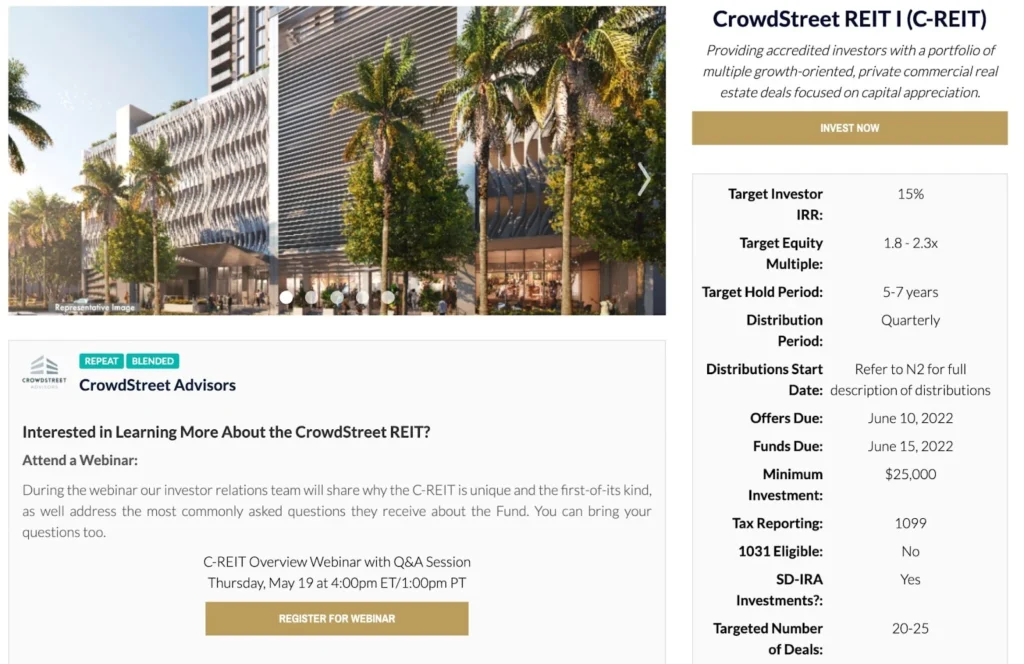
When investors talk about CrowdStreet returns, they’re usually referring to the performance of the real estate deals listed on the platform. However, the term “returns” can mean different things depending on the metric used. CrowdStreet, like most real estate investment firms, relies on several key performance indicators.
Internal Rate of Return (IRR)
The Internal Rate of Return (IRR) is the most common measure of performance for private real estate investments. It takes into account both the amount and timing of all cash flows (such as rent income and sale proceeds). In simple terms, IRR represents the annualized rate of return an investor earns over the life of the investment.
For example, if you invest $100,000 in a property that generates distributions over five years and eventually returns $170,000 total, your IRR might fall around 12–15%, depending on when those payments were received.
Equity Multiple
The equity multiple shows how much total money you receive compared to your original investment, without considering time. A multiple of 1.5x means you earned a 50% profit, while 2.0x means you doubled your money.
This metric is simple and useful for understanding total return, but it doesn’t show whether that return took two years or ten years, which is why investors often consider both equity multiple and IRR together.
Cash-on-Cash Return
Cash-on-cash return measures the annual cash flow received from the investment compared to the amount of money invested. It’s particularly useful for income-producing properties. For instance, if you invest $100,000 and receive $8,000 in annual distributions, that’s an 8% cash-on-cash return.
Preferred Return
Many CrowdStreet deals also include a preferred return, which guarantees investors a certain percentage (for example, 8%) before the sponsor or developer earns a share of the profits. This structure helps protect investors by ensuring they receive a minimum level of return before the project sponsor benefits.
In short, “CrowdStreet returns” can refer to any of these metrics, but investors generally focus on realized IRR and equity multiple as the most important measures.
Historical CrowdStreet Returns: What the Data Shows
CrowdStreet has shared summaries of its historical performance based on completed deals. While past performance never guarantees future results, the available data provides valuable insight.
As of recent analyses, the platform’s average realized IRR has been in the high teens, with an equity multiple around 1.5x to 1.6x. That means that, on average, investors have seen about 50–60% profit on their initial capital over the holding period of the investments.
More detailed observations include:
- Many deals have produced IRRs between 12% and 20%, especially for multifamily and industrial properties.
- The average holding period for realized deals tends to be between 3 and 5 years.
- Some deals have outperformed significantly, reaching IRRs above 25%, while others have resulted in losses or underperformance.
It’s important to note that not all deals succeed. Some projects have failed due to market downturns, construction issues, or sponsor mismanagement. This variance is normal in private real estate investing, where outcomes depend on multiple economic and operational factors.
Real-World Examples of CrowdStreet Returns
To make these numbers more tangible, let’s look at several types of deals and how returns can vary depending on the investment strategy and property type.
Example 1: Value-Add Multifamily Apartment

A value-add investment involves buying an existing property that needs renovation or operational improvement. The sponsor upgrades units, improves management, or enhances amenities to increase rental income and property value.
Suppose investors contributed capital to renovate a 200-unit apartment complex. Over four years, the sponsor increases rents by 20% after improvements and sells the property. Investors receive quarterly distributions and a lump sum after the sale.
- Holding period: 4 years
- Equity multiple: 1.8x (an 80% total return)
- IRR: 17%
This example shows how moderate risk combined with smart execution can lead to attractive returns. Value-add projects are among the most common deal types on CrowdStreet, offering a balance between risk and reward.
Example 2: Core-Plus Commercial Office Building
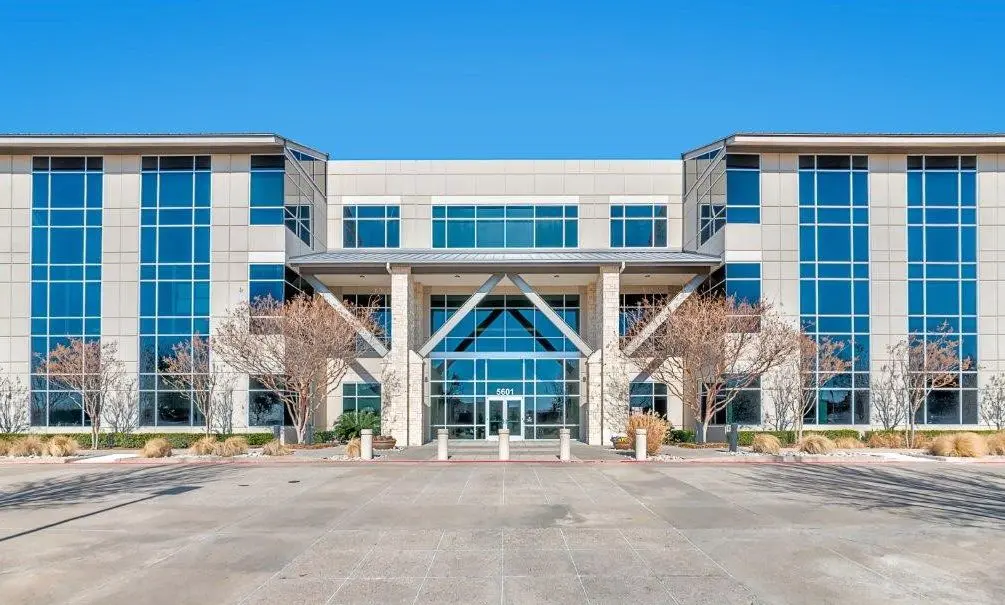
A core-plus deal targets properties that are already stable but have some growth potential, such as minor renovations or improved leasing. These deals typically offer lower but more predictable returns.
Imagine an investor participating in a stabilized office building located in a growing metro area. The property generates consistent rental income, and modest upgrades improve occupancy.
- Holding period: 5 years
- Equity multiple: 1.4x (a 40% total return)
- IRR: 9–11%
While the returns are smaller than those of value-add projects, the stability and consistent cash flow appeal to investors seeking passive income without excessive risk.
Example 3: Opportunistic Real Estate Development

Opportunistic projects are the riskiest but offer the highest potential rewards. These deals often involve ground-up construction or major redevelopment.
For example, a sponsor might build a mixed-use complex in a growing city. If everything goes according to plan—construction stays on budget, leasing is strong, and the economy remains stable—returns can be substantial.
- Holding period: 3 years
- Equity multiple: 2.2x (a 120% total return)
- IRR: 22–25%
However, if the project faces delays, cost overruns, or market changes, investors could lose some or all of their capital. Opportunistic deals highlight how high returns come with high risk.
Example 4: Industrial Warehouse Investment
Industrial real estate warehouses, logistics hubs, and distribution centers has become increasingly popular thanks to the growth of e-commerce.
An investor who participates in a warehouse project leased to a national retailer may earn stable income with limited volatility. These deals often have predictable long-term leases and steady cash flows.
- Holding period: 6 years
- Equity multiple: 1.6x
- IRR: 12–14%
Industrial properties show how CrowdStreet investors can diversify across different real estate sectors, reducing portfolio risk while still achieving attractive returns.
Example 5: Medical Office Development
Another growing segment involves healthcare real estate. Medical offices tend to have long-term tenants, such as hospitals or clinics, making them relatively stable.
For example, an investor might fund the construction of a new medical facility leased to a regional healthcare provider. Returns may be lower but more reliable:
- Holding period: 7 years
- Equity multiple: 1.5x
- IRR: 10–12%
This type of investment appeals to conservative investors seeking stability over aggressive growth.
The Role of Technology in Enhancing Returns
CrowdStreet uses technology to connect investors, sponsors, and data more efficiently. The platform’s digital infrastructure directly impacts the potential for better returns.
Smart Deal Selection
CrowdStreet applies data-driven underwriting to evaluate potential deals. Advanced algorithms help screen sponsors and identify projects that meet financial, operational, and risk criteria. This helps reduce the number of poor-quality deals listed on the platform.
By automating parts of the analysis, CrowdStreet can maintain consistency and transparency in its selection process, which increases investor confidence.
Transparent Reporting
The online dashboard provides detailed information about each investment, including expected cash flow, timelines, and sponsor updates. Investors can track distributions, read performance reports, and compare deals easily.
This level of visibility helps investors make informed decisions, manage expectations, and understand how their money is performing in real time.
Automated Cash Flow and Risk Modeling
CrowdStreet’s tools simulate various scenarios, such as changes in rental income, occupancy, or market conditions. This modeling helps identify potential risks early, ensuring that projections are more realistic and data-driven.
Efficient Capital Management
Technology also simplifies the investment process. Instead of traditional real estate syndication which requires manual paperwork and legal processes CrowdStreet automates capital aggregation, documentation, and investor distributions. This efficiency saves time and cost, ultimately helping improve net returns.
Benefits of Investing Through CrowdStreet
Access to High-Quality Real Estate
CrowdStreet gives individual investors access to institutional-grade properties that were once available only to large investment firms. This allows smaller investors to participate in commercial projects with potentially strong returns.
Portfolio Diversification
Private real estate investments often move independently of stock and bond markets. Adding CrowdStreet deals to a portfolio can reduce volatility and improve long-term performance.
Passive Income Opportunities
Many deals distribute quarterly or annual income, giving investors passive cash flow without managing properties directly. This is ideal for people who want exposure to real estate but prefer a hands-off approach.
Higher Potential Returns
Private real estate often outperforms public REITs because investors share directly in project profits. Successful sponsors who execute well can deliver IRRs exceeding typical stock market averages, though with higher risk.
Geographic and Sector Variety
CrowdStreet offers deals across different U.S. states and sectors, including multifamily, retail, industrial, and hospitality. This diversification helps protect investors from regional market downturns.
Use Cases: When and Why Investors Choose CrowdStreet
Use Case 1: Seeking Better Yields
When traditional bonds or savings accounts offer low returns, investors turn to real estate crowdfunding to seek higher yields. CrowdStreet’s deals, with projected IRRs in the low to mid-teens, can provide an appealing alternative.
Use Case 2: Building Passive Income Streams
Investors who want recurring income without becoming landlords can invest in cash-flowing real estate projects through CrowdStreet. The platform handles management and distributions, allowing investors to enjoy steady returns with minimal effort.
Use Case 3: Long-Term Growth Investments
Some investors use CrowdStreet for long-term growth, reinvesting distributions and holding multiple properties over several years. Over time, compounding returns from different deals can lead to significant wealth accumulation.
Use Case 4: Diversifying a Stock-Heavy Portfolio
By allocating a small portion (for example, 10–20%) of their capital to private real estate, investors can reduce exposure to stock market volatility. Real estate tends to perform differently during market cycles, adding stability.
Use Case 5: Accessing Institutional-Grade Deals
For those who want exposure to commercial real estate office buildings, industrial parks, or apartment complexes, CrowdStreet provides an entry point that traditionally required millions in capital.
Risks and Challenges of CrowdStreet Returns
While the potential returns are attractive, investors should be aware of the risks:
- Illiquidity: Investments are long-term and cannot be easily sold before completion.
- Sponsor Risk: The performance of a project depends heavily on the sponsor’s expertise and management.
- Market Volatility: Changes in interest rates, local economies, or property demand can impact returns.
- Project Failures: Some projects underperform or fail, resulting in partial or full loss of capital.
- Tax Complexity: Investors may receive K-1 tax forms for multiple states, making tax filing more complicated.
- Bias in Reported Returns: Published averages often include only successful deals, not those that lost money.
Understanding these risks is crucial for setting realistic expectations and creating a balanced investment strategy.
Setting Realistic Return Expectations
When considering CrowdStreet or similar platforms, it’s important to stay realistic:
- Expect a range of results: Not every deal will perform equally; some may outperform, while others underperform.
- Diversify across deals: Investing in multiple projects spreads risk and stabilizes returns.
- Focus on realized results: Look at completed projects rather than just projected returns.
- Account for time and fees: Fees and long holding periods can affect net returns.
- Plan for illiquidity: Capital may be tied up for years; only invest money you won’t need immediately.
By applying these principles, investors can use CrowdStreet effectively as part of a diversified portfolio.
Frequently Asked Questions
Q1: What is a realistic average return on CrowdStreet?
Most realized deals have shown IRRs between 12% and 18%, with equity multiples around 1.5x. However, results vary widely depending on the property type, sponsor, and market conditions.
Q2: How long does it take to receive returns?
The typical holding period is between 3 and 7 years. Some projects distribute income quarterly, while others provide a lump-sum payment after the property is sold.
Q3: Are CrowdStreet returns guaranteed?
No. All investments carry risk. While the platform screens deals carefully, outcomes depend on market factors and sponsor performance. Investors should view projected returns as estimates, not guarantees.